
What Is an MES? A Guide for Food and Beverage Manufacturers
Nov 17, 2026 | 2 min read
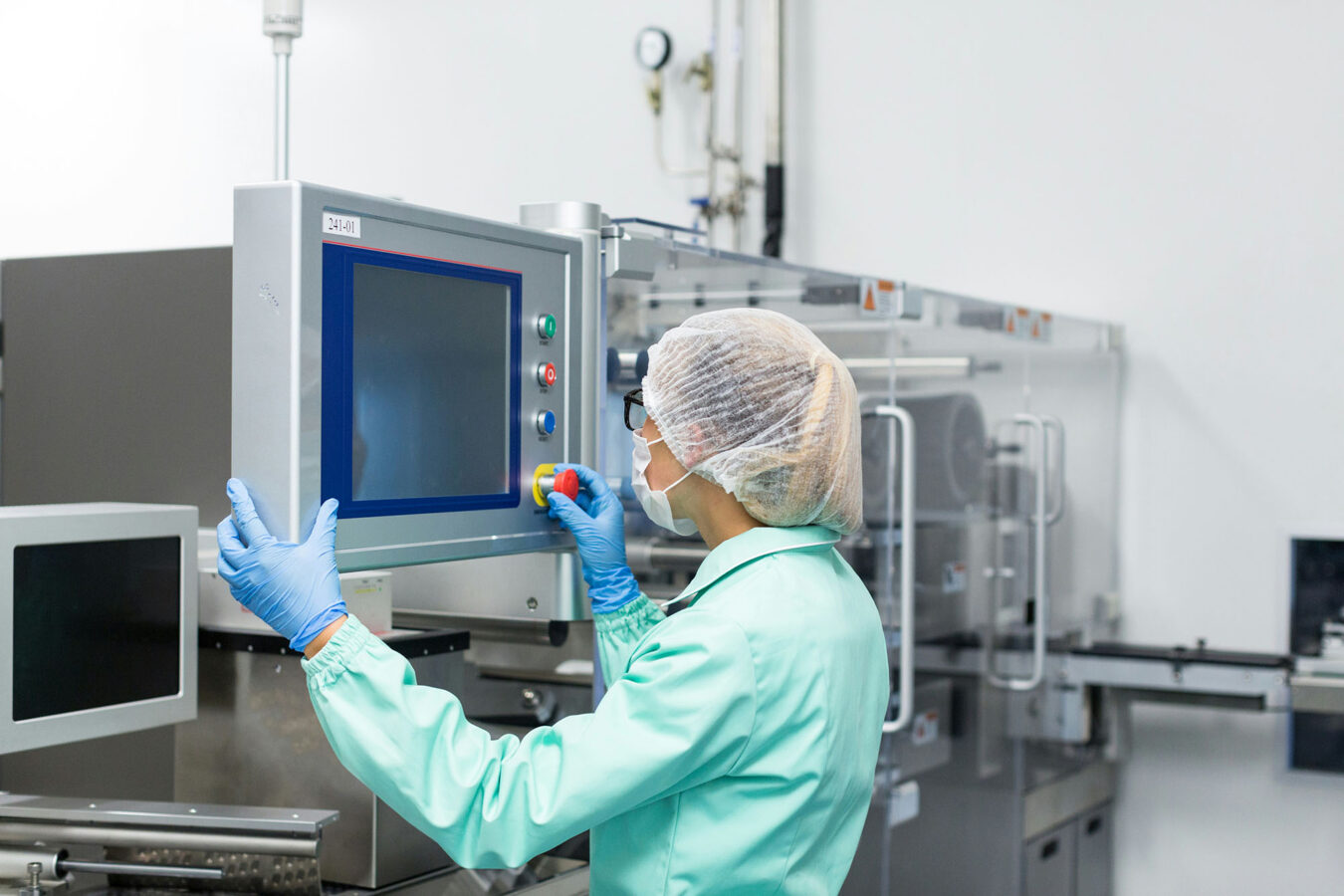
A manufacturing execution system, or MES, is “a software system that connects, monitors, and controls machines, work centers, and data flows on the factory floor,” according to . Plant teams meet the term through customer requests for lot-level records and through ERP systems that cannot answer floor-level questions.
This guide explains what an MES does, where it sits next to ERP and SCADA, and why a food and beverage plant reads the list of MES functions differently than a plant making durable goods.
Key Takeaways
- An MES manages production on the plant floor. The places it at Level 3, between business systems and equipment control.
- The MESA model defines an MES through 11 functions, including product tracking and genealogy and quality management.
- ERP covers business operations such as finance and supply chain logistics, while an MES covers production and equipment data, per .
- For a food and beverage plant, product tracking and genealogy is the function that links ingredient lots to finished lots.
- Four questions, listed below, help a plant decide what it needs before it looks at software.
What is an MES?
An MES is the layer of software that runs production in real time. It sits between the systems that plan the business and the equipment that makes the product. The describes it as tracking and gathering real-time data across the production lifecycle.
ISA-95 defines an MES by its role rather than a fixed feature list, per . That is why vendors package MES products so differently.
What does an MES do?
The Rockwell guide lists the . They fall into four groups.
Planning the work on the floor. Operations and detailed sequencing, resource allocation and status, and dispatching production units decide what runs, where, and when.
Controlling the process. Process management and document control keep the work consistent with the approved method.
Capturing what happened. Data collection and acquisition, product tracking and genealogy, and labor management record the facts of each run.
Improving the result. Quality management, performance analysis, and maintenance management turn those records into decisions.
Where does an MES sit next to ERP and SCADA?
a model with levels numbered 0 through 4. Level 4 covers business planning and logistics, and ERP systems sit there. Level 3 covers manufacturing operations management, which is where ISA places MES, along with SCADA. ISA states that the standard “primarily deals with the interface between levels 3 and 4.”
In plain terms, ERP knows what the business has ordered and what it owns. The equipment knows what it is doing this second. The MES holds the record of how the product was made between those two points.
Why does a food and beverage plant read an MES differently?
The following is DISHER’s perspective on the function list above.
In a plant making durable goods, product tracking and genealogy might record which component went into which assembly. In a food and beverage plant, the same function answers a more urgent question: which ingredient lots went into which finished lots, and where did those finished lots go. Quality management and process management carry similar weight, because the recipe and the process record are part of the product.
What should a plant ask before choosing an MES?
Four questions give a plant a useful starting point.
- Which floor-level question can the plant not answer today, and who asks it?
- Which of the 11 functions does the plant need first, and which can wait?
- Which systems must the MES exchange data with, and at which level of the ISA-95 model do they sit?
- Who owns the data once the system is running?
How does DISHER help with plant data and controls?
DISHER’s automation engineering team lists SCADA/MES solutions among its services, described as “giving you visibility and control with solutions that turn plant data into actionable insights.” The same page lists industrial controls and systems integration, “connecting equipment, software, and processes into a seamless system.”
Talk with our team about plant data or controls through the DISHER contact page.
Frequently Asked Questions
What does MES stand for? MES stands for manufacturing execution system.
What is the difference between an MES and ERP? ERP covers business operations such as finance and supply chain logistics, while an MES covers production and equipment data, per .
Where does an MES sit in ISA-95? At Level 3, manufacturing operations management, per .
How many functions does the MESA model define? Eleven, per .
Written By:

DISHER
Communications Team
DISHER Newsletter
Sign up to receive articles and insights, delivered monthly.
Schedule a no-committment project call
Reach out to discuss your project to find out if DISHER could be a good fit for you.